In today’s job market skills are prevalent. A certificate is just the beginning, not the finish line. We’re witnessing a significant shift in what it takes to get hired and succeed, and many job seekers aren’t prepared for it. Roles are changing, and what works today looks very different from even five or ten years ago.
Across Ghana, thousands of young people finish school each year. They come out with ambition, degrees, and hope. But many quickly hit a wall. They possess the book knowledge, yet often lack the essential future-ready skills necessary to translate that knowledge into tangible results.
Can they communicate clearly, think on their feet, solve problems, manage their time and adapt when things don’t go as planned?
These are the questions employers are asking. And more and more, these are the skills that decide who gets hired, who grows in the workplace, and who gets left behind.

Table of Contents
Mastering The Skills That Matter
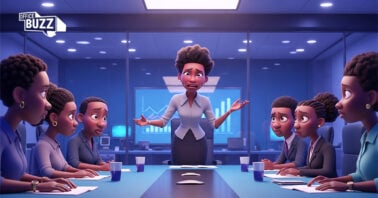
Employers are not just looking for people who know things; they are looking for people who can do things like:
- Communicate with confidence and clarity
- Collaborate across departments and cultures
- Adapt to changing environments
- Solve problems creatively
- Show initiative, leadership and emotional intelligence
These are future-ready skills, and they are essential, whether you’re applying for your first job or starting a business.
Creating Real Pathways for Growth
To meet the increasing demands of the modern workplace, we need a mindset shift for both employers and job seekers. One that moves beyond traditional credentials and focuses on capability, character and confidence. And it all begins with how we train, how we recruit and how we redefine job readiness.
How We Train
Whether it’s through short courses, virtual training, on the job coaching or peer-led workshops, there are many powerful ways to equip the next generation of talent with the skills they actually need. These learning experiences must be tailored to their unique needs, developed in a language and context they understand, yet rooted deeply in the realities of today’s job market.
How We Recruit
Too often, hiring processes filter out promising candidates before they even have a chance to prove themselves. We need recruitment models that are open, inclusive and focused on potential, not just polished CVs. This means designing assessments that reflect real job demands, conducting scenario-based interviews, and equally valuing transferable skills, while also widening our search to reach talent in overlooked areas. This ultimately allows us to improve the quality of talent we hire.

How We Redefine Job Readiness
Today, job readiness is still largely measured by formal qualifications alone. Employers ask for years of experience, even for entry-level roles. There is a heavy emphasis on technical skills, often at the expense of soft skills.
Job seekers on the other hand, assume that having a degree should be enough to get them through the door. This mismatch creates frustration on both sides. Employers struggle to find candidates who can do the work, not just talk about it. Youth, despite their education, often feel overlooked for roles they believe they were prepared for.
Job readiness must go beyond the credentials; we must expand our definition to include self-awareness, communication, creativity, critical thinking and a drive to adapt and learn.
Building a Stronger Workforce and Future
When our youth, especially women, are empowered with these real pathways for growth, they don’t just gain jobs. They gain the confidence to speak up, lead, build businesses, shape the communities around them and create the future they desire.
Asiwome Biekro is the Programs Manager for the HAPPY Program at Jobberman Ghana, focused on driving inclusive employment, skills development and opportunities for youth.