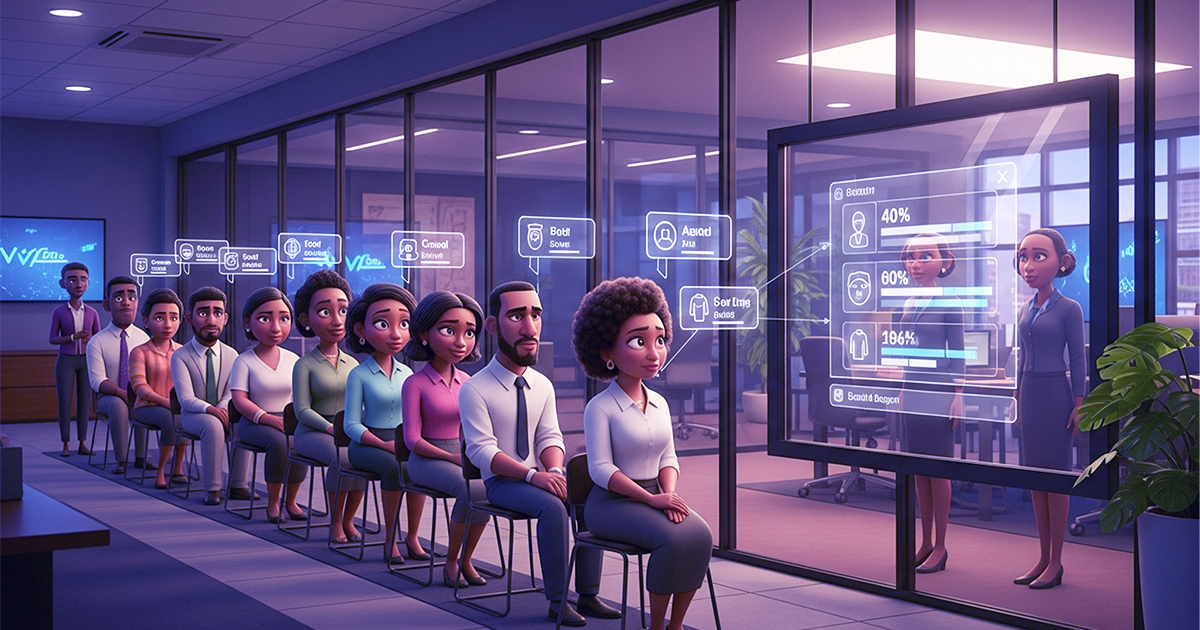
Achieving an unbiased recruitment process is crucial for securing top talent and promoting fairness. The key to an unbiased recruitment is to implement structured, objective practices that remove personal biases at every stage. You can ensure your hiring process is fair by focusing on a candidate’s skills and potential rather than individual characteristics.
Here are six ways to achieve an unbiased recruitment process:
Table of Contents
1. Audit Job Descriptions for Biased Language
Creating an unbiased recruitment process starts with a job description, which is crucial for fostering a fair and equitable hiring process. Begin by using positive, gender-neutral language to ensure that candidates from diverse backgrounds feel welcomed and valued. Clearly outline the essential skills and responsibilities associated with the role, focusing on specific qualifications and experiences that are necessary for success. Avoid subjective terminology that could lead to biases; instead, emphasise measurable competencies and objectives to cultivate an inclusive environment.
“A good job description pulls in qualified candidates with little to no effort.”- Adomaba Walton-Mensah, Recruitment Consultant at Jobberman Ghana.
2. Implement Blind CV Screening
Blind hiring plays a crucial role in mitigating unconscious bias during the initial review of applicants. By intentionally removing identifying information, such as names, ages, genders, and photographs, organisations can focus solely on candidates’ qualifications, skills, and relevant experiences. This objective evaluation fosters a more equitable selection process, where the most capable and talented individuals are advanced, irrespective of their backgrounds or demographics. Ultimately, this practice not only enhances the diversity of the applicant pool but also ensures that hiring decisions are made based on merit and suitability for the role.

3. Make Use of Structured Interviews
Unstructured interviews can lead to unfair evaluations due to their inconsistent format, making it hard to compare candidates. Structured interviews are better because they use the same questions for everyone, ensuring equal treatment and clarity in the evaluation process. Its clear scoring system helps identify what to look for in answers, promoting objective decisions. This reduces personal biases and improves the credibility of hiring choices.
4. Form a Diverse Interview Panel
A diverse interview panel helps to mitigate individual biases by introducing multiple perspectives. By including interviewers from different genders, departments, or cultural backgrounds, you can gain a more comprehensive and balanced view of each candidate’s potential. This approach not only broadens the evaluation criteria but also encourages a richer dialogue during the interview process thereby encouraging an unbiased recruitment process.
5. Focus on Skills and Cultural Contribution
Avoid hiring solely based on “culture fit,” which can often lead to a homogenous workforce. Instead, strike a balance between skills and culture fit by assessing candidates on their specific skills and how they can contribute to and enhance your existing company culture. Use skills-based tests and practical assessments to measure a candidate’s abilities objectively to ensure your recruitment process is unbiased.
6. Document Decisions and Provide Feedback
Maintaining a transparent process is critical. Document the rationale behind your hiring decisions. For candidates who make it to the final stages, offering brief, constructive feedback on their performance can build a positive employer brand and show respect for their time.
Building a genuinely diverse and high-performing team begins with a fair and unbiased recruitment process. By implementing structured hiring practices, such as crafting inclusive job descriptions and using objective assessments, you are not only creating a better hiring environment but also gaining a competitive advantage. These methods help you see biases and focus on the skills and potential that will genuinely benefit your company.

Looking to hire your next top candidate? Post your vacant jobs here.