The Ghanaian manufacturing sector is undergoing an impressive period of industrial expansion. From the bustling factories in the Tema Industrial Area to expanding processing plants across the country, industrial employers face an unprecedented talent crisis.
The core of the problem lies in reactive hiring. Too many manufacturing companies in Ghana only start looking for talent when a critical role on the factory floor, such as a plant engineer, a quality assurance officer, or a warehouse manager, suddenly becomes vacant.
In a tight market for specialized technical skills, this reactive approach creates immediate operational bottlenecks, stalls production lines, puts immense pressure on remaining staff, and forces HR teams to make rushed hiring decisions.
Building a resilient, proactive talent pipeline is no longer optional; it is the difference between meeting your production quotas and facing costly operational downtime.
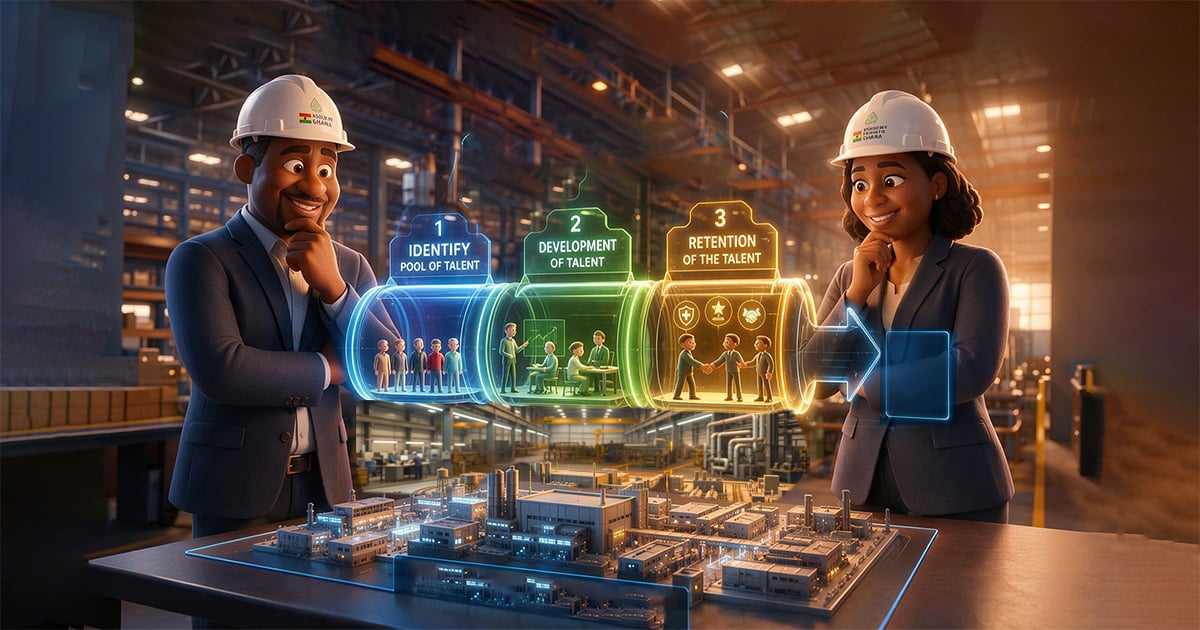
Here are three essential strategies for building an impactful industrial talent pipeline in the manufacturing sector.
Table of Contents
1. Build a Talent Pool in Advance
Hiring should never be a sudden, panicked reaction to a vacancy. For every role you ever hired for, there were a couple of well-suited candidates who could fill the role. This can easily be done with recruitment companies like Jobberman Ghana. Having an active pipeline using recruitment technologies like the Jobberman Applicant Tracking System (ATS) allows you to have a pool of qualified candidates that you can fall back on when there’s a vacancy.
This dramatically reduces your time-to-hire and minimizes operational disruptions on the production floor.
2. Focus on Workforce Development: Invest in Your Employees
In the manufacturing sector, recruitment is only half the battle; retaining your top operators and fostering a culture of internal growth is equally vital to keeping your talent pipeline flowing smoothly.
- Create Clear Career Progression: Show employees exactly how they can advance from entry-level production roles into supervisory, shift lead, or specialized engineering positions.
- Leverage Cross-Training: Train your team across multiple roles and machinery. Cross-training increases facility versatility, reduces your dependency on specific individuals, and boosts overall operational efficiency when sudden absences occur.
3. Offer Competitive Compensation and Workplace Benefits
To attract and retain high-performing technical talent in a competitive manufacturing landscape, top-tier compensation structures and comprehensive incentives are essential. Skilled workers gravitate toward facilities that value their contributions and prioritize their well-being. Such incentives include standardized wages, health benefits, and performance bonuses. These factors ensure that when staff leave, they share a positive experience with others. Positive word-of-mouth encourages candidates to apply.
Optimize Your Manufacturing Recruitment Strategy
Building and maintaining a steady pipeline of industrial talent requires time, advanced matching technology, and deep market expertise. If your internal HR team is overwhelmed by the struggles of hiring for floor staff, partner with Jobberman. Visit www.jobberman.com.gh/employer today.