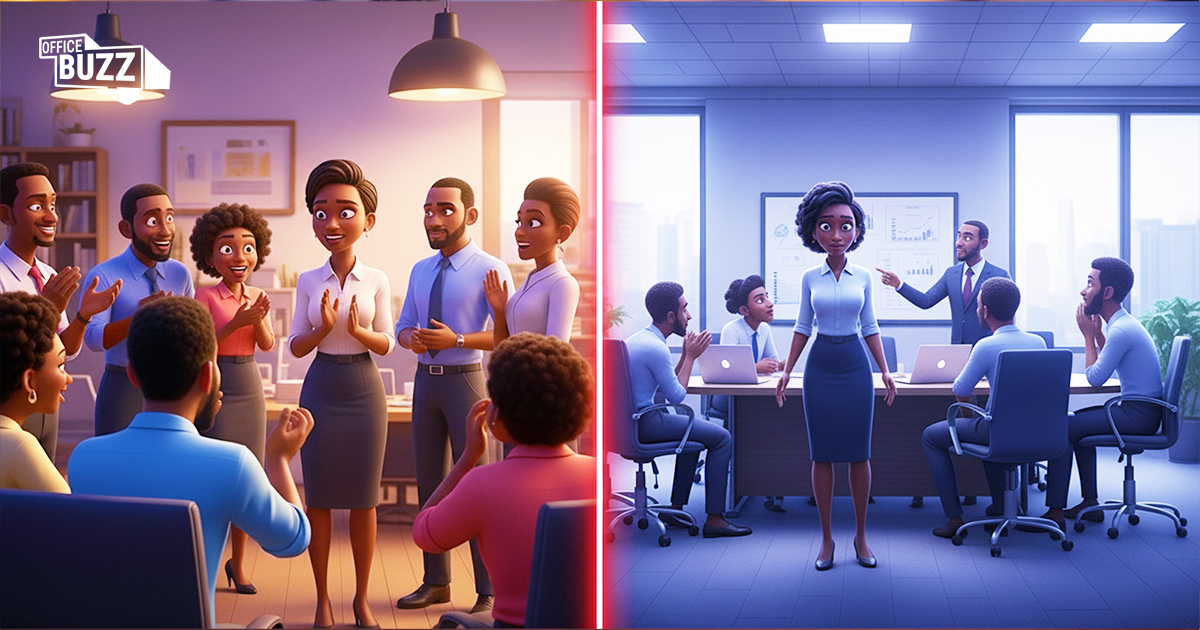
Ama was one of those employees everyone seemed to like. Her boss often praised her work in meetings, her colleagues invited her to lunch every week, and HR once told her, “You’re the kind of employee every company wishes for.”
She felt at home in the office. It was more than just work — it felt like a family.
Then came the project, a big one. Ama was tasked with leading a campaign that would shape the company’s reputation for the remainder of the year. She worked late nights, pulled in extra support, and even skipped a family event to meet the deadline. But life isn’t always perfect — a key vendor defaulted, timelines slipped, and results didn’t look as good as expected.
That Monday morning, she walked into the office hoping her team would rally behind her. Instead, the air felt heavy. Her boss, the same one who once called her “star girl,” now asked in front of everyone: “Why didn’t you anticipate these risks?” Colleagues who used to sit by her side during lunch shifted their chairs in meetings and dropped subtle comments like, “We flagged this earlier.”
When she went to HR, expecting a sympathetic ear, she was met with a calm but chilling response: “Ama, remember, our role is to protect the company first. We’ll need you to submit a full report.”
It was a painful wake-up call. The people she thought were her safety net were suddenly distant. Ama realised something she wished she’d learned earlier: in the workplace, relationships have invisible lines. No matter how warm things feel, when the stakes are high, people will protect their own roles first. And remember, while workplaces can feel warm and friendly, they are not built on friendship. They are built on performance, accountability, and business priorities.
At the end of the day, she understood the harsh truth:
- Your boss is not your friend.
- Your colleagues are not your friends.
- HR is not your friend.
When we say this, it doesn’t mean your workplace is hostile or that you can’t build warm, respectful relationships. It simply reminds us that at the core, the workplace is a professional environment. Every stakeholder — your boss, colleagues, and HR ultimately has their own responsibilities and interests to protect. That’s why it’s essential to strike a balance between friendliness and professionalism, and to safeguard yourself.
5 Ways to Safeguard Yourself in the Workplace
- Document Everything
Always keep a written record of key decisions, instructions and agreements. Emails and memos can protect you if accountability questions arise. - Maintain Professional Boundaries
Be friendly, but avoid sharing personal information or office gossip that could be used against you later. - Focus on Your Performance
Let your work speak for you. Meeting deadlines, delivering quality, and being reliable build a reputation that’s hard to discredit. - Know Company Policies
Familiarise yourself with HR policies, labour laws, and your contract. Knowledge of your rights and responsibilities gives you the leverage you need when issues arise. - Build an External Support Network
While colleagues can be allies, it’s wise to have mentors, peers, or professional groups outside your workplace who can provide unbiased advice and support.
Work can be friendly, even feel like family at times, but always watch your back! Protect yourself, stay professional, and remember: your career is ultimately in your hands.
This is the office Buzz!
Work, culture and everything in between. Remember to share this with that colleague who needs to read this.