Behavioural interviews are a common tool used by employers to assess how candidates have handled situations in the past, which can be a good indicator of future performance. Unlike traditional interviews that focus on qualifications and experiences, behavioural interviews delve deeper into your character, problem-solving abilities, and interpersonal skills. To stand out in these types of interviews, it’s essential to understand how to respond to behavioural questions effectively.
Here are seven strategies to help you prepare for your next interview.
Table of Contents
1. Understand the STAR Method
One of the most effective ways to structure your answers to behavioural interview questions is by using the STAR method. What is the STAR method?
“The purpose of behavioral interviewing is to objectively measure a potential employee’s past behaviors as a predictor of future results.” (Massachusetts Institute of Technology, n.d., para.1)”
This acronym stands for:
– Situation: Describe a specific situation or challenge you faced.
– Task: Explain the task you needed to accomplish.
– Action: Detail the actions you took to address the task.
– Result: Share the outcome of your actions, highlighting what you learned.
Using the STAR method helps you provide a clear and concise answer that covers all the essential aspects of your experience.
2. Practice Common Behavioural Questions

Familiarise yourself with common behavioural questions that interviewers often ask. Some examples include:
– Can you describe a time when you faced a significant challenge at work?
– Tell me about a situation where you had to work as part of a team.
– Describe a time you had to adapt to a significant change.
By practising your responses to these questions, you can feel more confident during the interview.
3. Be Honest and Authentic
When responding to behavioural questions, it’s crucial to be honest about your experiences. Interviewers can usually tell when candidates are exaggerating or fabricating stories. Sharing genuine experiences not only builds trust but also makes your story more relatable. Even if a situation didn’t end positively, emphasising what you learned from the experience can turn it into a positive narrative.
4. Focus on Your Contributions

When answering behavioural questions at an interview, while it’s essential to highlight the context of the situation of how projects happened, ensure that your response emphasises your specific contributions. Use “I” statements to clarify your role and the impact of your actions. For instance, instead of saying, “We succeeded in a project,” say, “I led the project by organising team meetings and facilitating communication, which ultimately led to our success.”
5. Tailor Your Stories to the Job
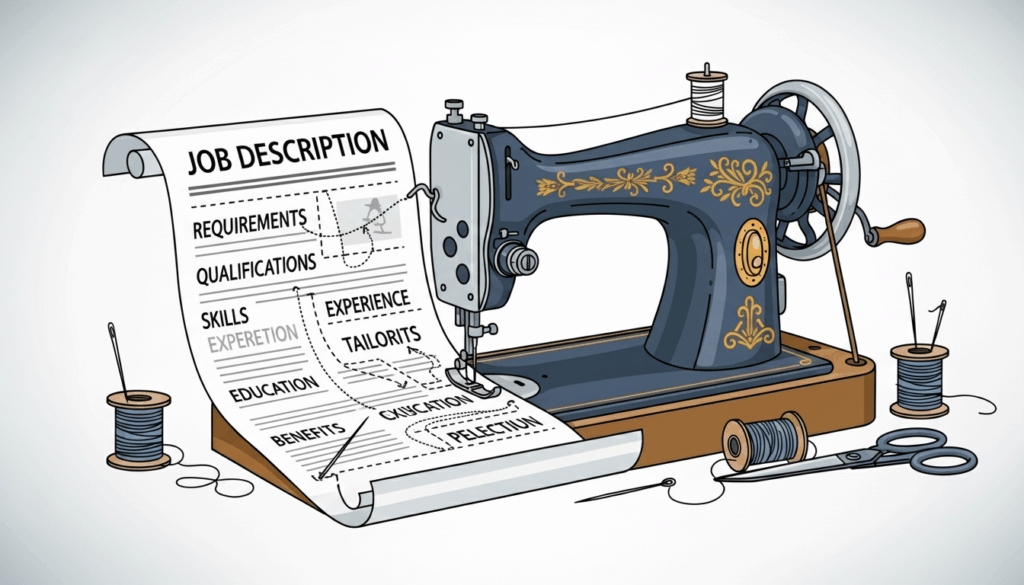
Before attending a job interview, review the job description and identify the key skills and competencies the employer is looking for. Tailor your examples to demonstrate how your experiences align with these requirements. If the position emphasises teamwork, choose a story showcasing your ability to collaborate effectively. Using tools like Jobberman Ghana’s AI career tool will pimp up your ability to tailor your stories to meet the job.
6. Keep Your Answers Concise
For behavioural interviews, yes, detail is essential, yet avoid rambling. Aim to keep your answers concise, ideally between one and two minutes long. This ensures that your key points come across without losing the interviewer’s interest. Practice your responses to stay within this timeframe while still covering all necessary aspects of your story.
7. Prepare for Follow-Up Questions
Behavioural questions can often lead to follow-up questions. Be prepared to elaborate on your response or provide additional context. This is a chance for you to demonstrate your thought process and problem-solving skills further. Keep a few more anecdotes in mind that highlight different skills, in case the interviewer wants to explore further.
Conclusion
Behavioural interviews can be challenging, but you can effectively showcase your skills and experiences with thorough preparation and the right approach. Utilise the STAR method, practice potential questions by using tools like Jobberman’s AI career tool, and ensure your stories align with the job you are applying for. By being authentic and focusing on your contributions, you can leave a strong impression on the interviewer and increase your chances of landing the role.
With the changes in job hunting, everything is moving at a jet speed pace. What tips and tricks do you need to know in this changing landscape of job hunting and interviews? Join the conversation on how to navigate “the Changing Landscape of Job Hunting: Tips and Tricks”
FAQs
Jobberman’s AI Career Tool allows you to write numerous CVs tailored to the job description, write cover letters, prepare for behavioural interviews, and negotiate a salary.
Find popular interview questions that run across job functions here.
Interviews mostly require a professional look. But depending on the preference of the employer and industry, you may need to dress accordingly. Here are more tips.
Interviews usually have a baseline of ethics, such as arriving early, following instructions and dressing appropriately. Learn more.
This interview question is very common in interviews. Here’s how to rightfully answer it.